Money
Financial Literacy: Understanding Finances & Money
Financial literacy can help you manage money with confidence. Learn how budgeting, saving, investing, and managing debt can strengthen your financial future.
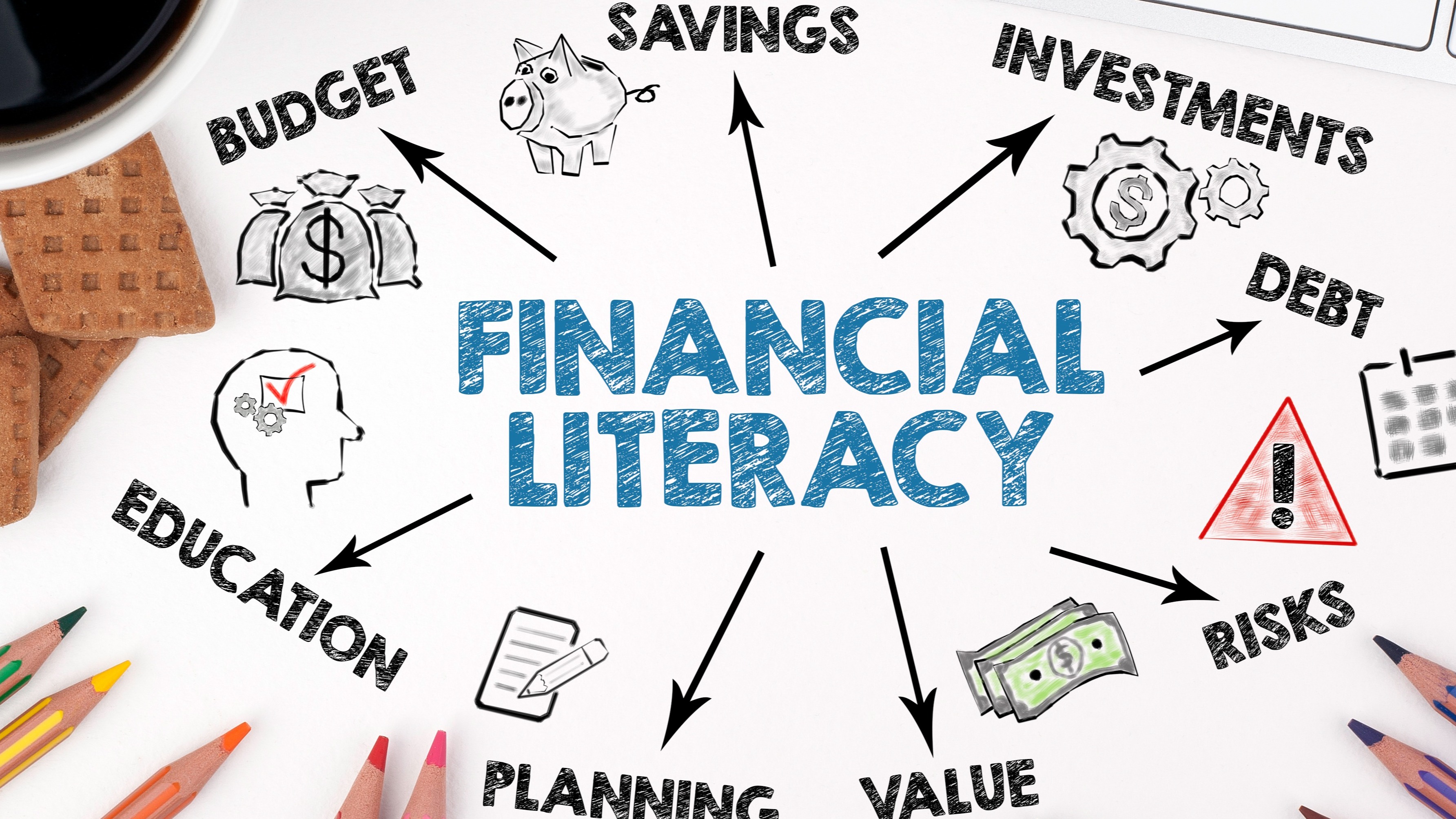
Financial literacy is the ability to understand and manage money effectively.
It includes skills like saving, investing, budgeting, and managing debt.
Improving financial literacy can lead to lots of benefits — like less debt and stronger long-term financial security.
“Financial literacy” is a term that we often hear – and it is an incredibly important one, too. However, numerous research studies have indicated that many people are not financially literate. Additionally, according to the Financial Industry Regulatory Authority (FINRA), about 66% of the American population is considered financially illiterate.1 So, what does it mean to be financially literate?
What is meant by the term “financial literacy”? According to Investopedia, “Financial literacy is the ability to understand and effectively use various financial skills, including personal financial management, budgeting, and investing. It also means comprehending certain financial principles and concepts, such as the time value of money, compound interest, managing debt, and financial planning.”2
As a good starting point, it’s helpful to look at MyMoney.gov, which is an initiative of the Federal Financial Literacy and Education Commission (FLEC). It outlines five principles of financial literacy3:
- EARN – Make the most of what you earn by understanding your pay and benefits.
- SAVE & INVEST – It’s never too early to start saving for future goals such as a house or retirement, even by saving small amounts.
- PROTECT – Take precautions about your financial situation, accumulate emergency savings, and ensure that you have the right insurance to protect yourself for life's unforeseen circumstances.
- SPEND – Be sure you are getting a good value, especially with big purchases, by shopping around and comparing prices and products.
- BORROW – Borrowing money can enable some essential purchases and builds credit, but interest costs can be expensive. And if you borrow too much, you will have a large debt to be repaid.
What are the benefits of being financially literate? Some are more obvious than others, but one of the biggest benefits is gaining clarity and control over your financial situation so you can create a structured, realistic budget.
Being financially literate can also help you understand the best ways to save for retirement and other long-term goals. It supports the development of strong spending and saving habits over time. One of the things that is so important is learning about credit and establishing good credit, which can lower your interest rates when you're borrowing for a car, home, or any other major purchases.
Financial literacy can also help you avoid high-interest debt, which can quietly grow and become costly over time. Ultimately, it empowers you to make informed and confident financial decisions.
On the flip side, what are the consequences or the costs of not being financially literate? They can be far-reaching. If you are not optimizing the money – if it’s slipping through the cracks – small, inefficient financial decisions can add up over time and result in significant lost savings.
Credit is another important factor. There are times in life when borrowing is necessary. If your credit is not in good shape, it can really limit your options. For example, it may become harder for you to buy a car to get to work. And if unexpected expenses arise — like car repairs – and you don’t have emergency savings, you may have to rely on high-interest options like credit cards. In more difficult situations, some may turn to payday loans, which often come with extremely high costs. This can quickly create a cycle where a large portion of your paycheck goes toward repayment, making it harder to cover essentials like rent. Over time, this can lead to a financial downward spiral.
Being financially savvy and literate can help you plan and navigate challenges when life inevitably throws unexpected curveballs.
Research from Transamerica Center for Retirement Studies found that only 20% of Americans say that they have “a lot” of working knowledge of personal finance.4
Here are 6 ways to learn more about money so you can make better-informed decisions:
Tip #1: Start with the right mindset
First, a vote of confidence: you can do this. Financial literacy may feel overwhelming at first, but the key is to not let that stop you before you even begin.
Start small and keep learning. Focus on one topic or concept at a time and build gradually. Even small amounts of knowledge can build into a strong foundation over time. As your understanding grows, expanding your knowledge will feel a lot less daunting.
Tip #2: Use trusted and safe resources
Seek trusted resources, especially if you are doing internet research – do some due diligence on those websites and be hypervigilant. Don't give away your personal identifiable information (PII) to anyone unless you are certain the source is trustworthy.
Tip #3: Learn through books and self-guided tools
Books can be a terrific resource. If you enjoy learning this way, there are many excellent options out there—from general overviews to topic-specific guides. Some books even include worksheets or exercises to help you apply what you learn to your real-life situation.
Tip #4: Explore classes and community resources
Another option is taking classes. Look into community colleges, adult education programs, libraries, or community groups – there are lots of resources out there within your communities. There are often accessible and affordable learning opportunities available if you look for them.
Tip #5: Take Advantage of Workplace Benefits
Your employer is another valuable resource. If they offer a retirement plan, they may also provide financial wellness programs that offer education. Additionally, many employers might offer access to financial advisors or coaches who can offer personalized guidance. This can be particularly helpful if you're feeling overwhelmed by financial choices or if you're unsure how to allocate your resources.
Tip #6: Leverage financial institutions and websites
Another “go-to” source is the websites of the financial institutions that you may already be doing business with (your bank, credit union, or other type of reputable organization). They often also have tools and resources for you to check out.
Final Thought
There are resources like Mymoney.gov and Investopedia, which offer a wealth of reliable, easy-to-understand financial information.
- Global Atlantic. “Financial Literacy and Retirement Financial Planning” https://professionals.globalatlantic.com/thriving-practice/expert-insights/importance-financial-literacy
- Silver, Caleb. “The Ultimate Guide to Financial Literacy for Adults.” Investopedia. Updated Dec. 16, 2025. https://www.investopedia.com/guide-to-financial-literacy-4800530#toc-what-is-financial-literacy
- “My Money Five.” MyMoney.gov. https://www.mymoney.gov/mymoneyfive
- Transamerica Center for Retirement Studies. Life and Money: Retirement Security in the USA 2026. April 2026. p. 51. https://www.transamericainstitute.org/research/publications/details/life-money-retirement-in-america-2026
- Financial Literacy
- Money