Healthy Aging
Exploring Self-Care Activities for Healthy Aging
Self-care is important for our overall well-being. Learn how exercise, mindfulness, and sleep can improve your health and quality of life.
Self-care isn’t selfish. It’s essential for our overall health and well-being.
Self-care looks different for everyone. Exercise, mindfulness, and good sleep are activities that can improve your quality of life.
We’ve all heard about “self-care,” but is it really all that important? While some may dismiss it as a trendy pastime, research shows that self-care is essential for managing stress and supporting healthy aging.
For example, a recent survey by Transamerica Institute® and its Center for Retirement Studies revealed that certain healthy activities are strongly linked to better mental and physical well-being.1 The good news? Many of these practices are simple, low-cost (or free), and easy to weave into your daily routine.
Let’s explore three powerful self-care habits and why they matter for your health: exercise, mindfulness, and sleep.
So whether you’re looking to practice more self-care, know someone who would benefit from self-care, or simply want to learn more, this article is for you.
1. Move Your Body
Our survey found that only 52% of workers are exercising regularly.1 Exercise doesn’t have to mean hours at the gym. Walking the dog, taking the stairs, or even dancing in your kitchen—it all counts.
Why is regular movement important?
- Boost energy levels
- Support heart, bone, and joint health
- Reduce stress
- Help maintain muscle strength as we age
Even small amounts of activity add up over time.
How much exercise do we need?
- According to the Office of Disease Prevention and Health Promotion2, adults need at least 150 minutes (2 hours and 30 minutes) of moderate-intensity aerobic exercise per week.
What’s considered “moderate-intensity"?
- Anything that gets your heart beating faster—like walking, running, or bike riding—counts as cardio exercise.
- Include two days of “muscle-strengthening” activities per week—such as weightlifting, yoga, or resistance training—that make your muscles work harder than usual.
2. Care for Your Mind
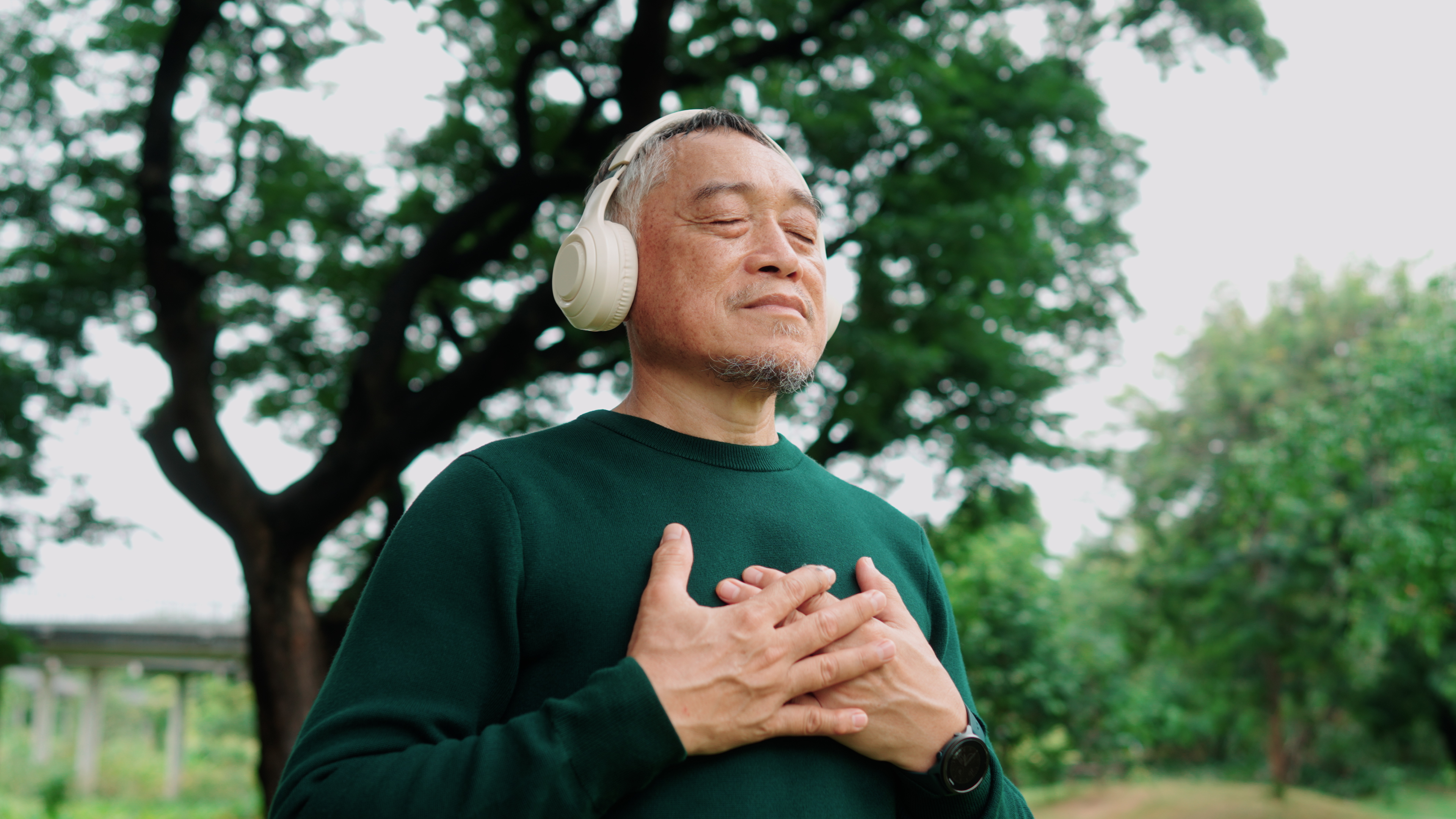
Self-care isn’t just physical—it’s mental, too. Our survey found that only 21% of workers practice mindfulness or meditation.1
Mindfulness is about paying attention to the present moment without judgment, while meditation often focuses on breathing and cultivating awareness of your inner thoughts. Together, these practices may improve mental clarity and can even slow age-related cognitive decline.
The best part? Getting started doesn’t require a class or special equipment. Many free apps and online videos offer simple guided exercises you can try at home.
And if you’re struggling with mental health, remember—you’re not alone. Free or low-cost resources are available, such as the Crisis Text Line (text HOME to 741741 for support, 24/7).
3. Prioritize Sleep
We all know how we feel after a restless night—groggy, unproductive, and unfocused. Yet, our survey found that only 50% of workers get enough sleep.
Sleep allows both the body and mind to repair and recharge. Over time, good sleep habits support our mental health, immune system, and overall well-being. To set yourself up for rest:
- Keep consistent wake and sleep times
- Limit screens before bed
- Create a dark, cool, and quiet sleep environment
Think of sleep as an investment in tomorrow’s happiness and productivity.
Making Self-Care Work for You
Some people avoid self-care because they believe it requires too much time or money. The truth is, it often comes down to making small adjustments. For example:
- Park farther away to get extra steps
- Take a few minutes to breathe deeply in the shower
- Turn off the TV 30 minutes earlier to catch more sleep
Little shifts in daily habits can have a lasting impact on how you feel—and how well you age.
Our survey also found that only 21% of people consider their long-term health when making lifestyle decisions. Choosing today to move more, rest better, and care for your mental health can set you up for a happier, healthier tomorrow.
The Bottom Line
Self-care isn’t selfish—it’s essential for health and happiness. By weaving small, healthy habits into your daily routine, you can strengthen your well-being for the future. Remember: the choices you make today are an investment in how well you age tomorrow.
- Transamerica Center for Retirement Studies. (2025, June). An Uncertain Future: Retirement Prospects of 4 Generations (25th Annual Transamerica Retirement Survey of Workers). https://www.transamericainstitute.org/docs/research/generations-age/uncertain-future-retirement-prospects-four-generations-survey-report-june-2025.pdf?sfvrsn=1d68df40_7
- U.S. Department of Health and Human Services, Office of Disease Prevention and Health Promotion. Walk. Run. Dance. Play. What’s your move? Move Your Way. https://odphp.health.gov/moveyourway
- Mental Health
- Healthy Aging